Key Pointers
- A sebaceous cyst (often an epidermoid cyst) is a slow-growing lump beneath the skin.
- Most cysts are harmless and may not require immediate removal.
- Removal may be considered if the cyst becomes painful, infected, rapidly enlarging, or cosmetically bothersome.
- Squeezing or attempting to drain a cyst at home can increase the risk of infection and scarring.
- An ENT assessment is advisable for cysts located on the face, neck, scalp, or near the ears.
What Is a Sebaceous Cyst?
A sebaceous cyst is a benign, dome-shaped lump that develops beneath the skin. It usually forms when a hair follicle or skin gland becomes blocked, causing keratin (a protein in skin cells) to collect inside a small sac.
Despite the name, most so-called “sebaceous cysts” are actually epidermoid cysts, which arise from the outer layer of the skin rather than the sebaceous (oil) glands.
They commonly appear on:
- The scalp
- The face
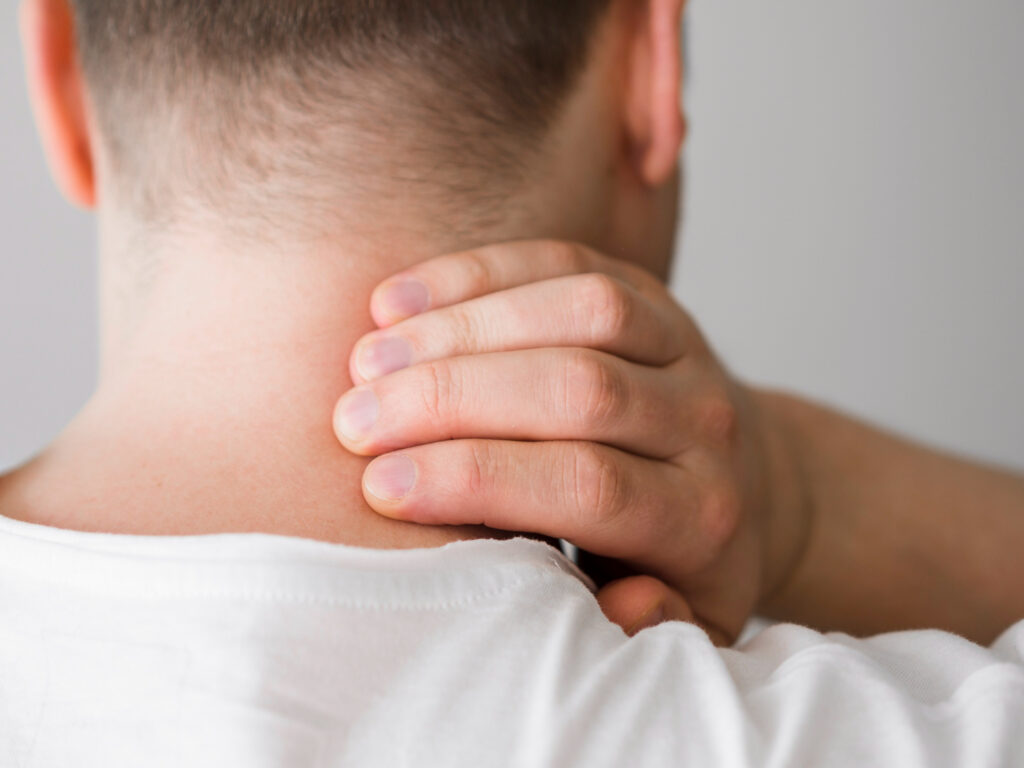
- The neck
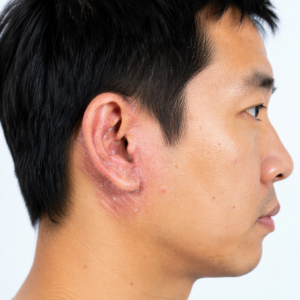
- Behind the ears
- The upper back
Cysts on the head and neck region are often evaluated by an ENT specialist in Singapore, particularly if they are close to important structures such as nerves, salivary glands, or lymph nodes.
How Do I Know If It Is Just a Cyst?
Typical features of a sebaceous (epidermoid) cyst include:
- A smooth, round lump under the skin
- Slow growth over months or years
- Skin-coloured or slightly yellowish appearance
- A small central opening (punctum) in some cases
- Usually painless unless inflamed or infected
However, not every lump is a cyst. Other conditions such as lipomas, enlarged lymph nodes, salivary gland swellings, or skin tumours can present similarly.
If you are unsure, it is advisable to have the lump examined rather than self-diagnosing.
When Can I Leave a Sebaceous Cyst Alone?
You may choose observation if:
- The cyst is small and painless
- It is not infected
- It is not increasing in size
- It does not interfere with daily activities
Many cysts remain stable for long periods and do not require treatment.
However, regular monitoring is sensible. Seek medical review if there are changes in size, colour, or symptoms.
When Should I Consider Removing a Sebaceous Cyst?
Removal may be considered in the following situations:
1. The Cyst Becomes Painful or Infected
Signs of infection include:
- Redness
- Warmth
- Tenderness
- Swelling
- Pus discharge
Infected cysts may require antibiotics and sometimes drainage. Definitive removal is usually performed after the infection settles.
2. The Cyst Is Rapidly Growing
Sudden enlargement should be evaluated to confirm the diagnosis.
3. It Causes Cosmetic Concern
Cysts on visible areas such as the face or neck may cause self-consciousness.
4. It Repeatedly Gets Inflamed
Recurrent inflammation can be uncomfortable and may justify removal.
5. The Diagnosis Is Uncertain
If there is doubt about the nature of the lump, surgical removal allows for laboratory examination.
Is It Safe to Squeeze or Burst a Sebaceous Cyst at Home?
Attempting to squeeze or puncture a cyst at home is not recommended.
Doing so can:
- Introduce infection
- Cause inflammation
- Lead to incomplete removal
- Increase scarring
- Result in recurrence
Even if material drains out, the cyst wall usually remains under the skin, meaning it can refill.
How Is a Sebaceous Cyst Removed?
Removal is typically a minor procedure performed under local anaesthesia.
The doctor:
- Makes a small incision
- Removes the cyst and its wall completely
- Closes the wound with stitches if required
Complete removal of the cyst wall reduces the risk of recurrence.
For cysts on the face, scalp, or neck, careful surgical technique is important to minimise scarring and protect nearby structures.
Are Sebaceous Cysts Dangerous?
Most sebaceous cysts are benign.
However, medical assessment is important if you notice:
- Rapid growth
- Persistent pain
- Bleeding
- Ulceration
- Firm or irregular texture
- Associated weight loss or systemic symptoms
These features warrant further evaluation.
Can a Sebaceous Cyst Come Back After Removal?
Recurrence is uncommon if the entire cyst wall is removed.
If part of the sac remains, the cyst may redevelop over time.
Should I See an ENT Specialist for a Cyst on the Neck or Face?
Cysts in the head and neck region are commonly assessed by an ENT specialist, particularly when they are:
- Near the jawline
- Behind the ear
- Under the chin
- Close to salivary glands
- Difficult to distinguish from lymph nodes
A proper examination helps confirm the diagnosis and discuss appropriate management options.
Frequently Asked Questions (FAQs)
1. Can a sebaceous cyst go away on its own?
Most cysts do not disappear completely. Some may shrink temporarily, but the sac often remains.
2. Is sebaceous cyst removal painful?
Removal is usually done under local anaesthesia. Mild discomfort after the procedure may occur but typically improves within a few days.
3. How long does recovery take after cyst removal?
Most people resume normal activities within a day. Stitches, if placed, are usually removed after about one week.
4. Will removal leave a scar?
A small scar is possible. The size depends on the cyst’s location and size. Early removal when the cyst is smaller may reduce scar length.
5. Is a sebaceous cyst cancerous?
Sebaceous (epidermoid) cysts are usually benign. However, any unusual or changing lump should be assessed.
When Should You Seek Medical Advice for a Lump on the Head or Neck?
If you notice a persistent lump on your scalp, face, or neck and are unsure whether it is a cyst, lymph node, or another condition, a clinical examination is advisable.
At Aurion ENT & Hearing Centre, located at Farrer Park Medical Centre, patients are assessed for a range of head and neck conditions.
Consultations are conducted by Dr Liu Jiaying, an ENT Specialist in Singapore.
A medical evaluation allows:
- Confirmation of the diagnosis
- Discussion of whether observation or removal is appropriate
- Explanation of procedural risks and recovery expectations
If you are concerned about a lump on the head or neck region, you may arrange a consultation for further assessment.
 +65 6908 1266
 1 Farrer Park Station Road, #15-11 Singapore 217562
 https://aurionent.com
(Information provided is for educational purposes and does not replace medical consultation.)