
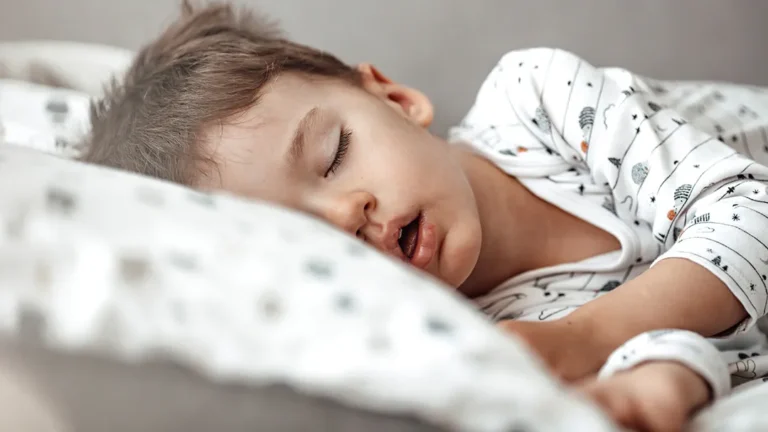
Loud snoring in children is not normal — it may signal airway obstruction or sleep apnea.
Snoring in children is a common concern in Singapore. While many parents assume it is harmless, frequent or loud snoring can indicate an underlying breathing problem, especially when caused by enlarged tonsils, adenoids, allergies, or nasal obstruction. When snoring affects sleep, children may experience behavioural changes, poor concentration, and growth issues.
At Aurion ENT & Hearing Centre, Dr Liu Jiaying provides gentle and thorough evaluation for snoring, blocked nose, mouth breathing, and paediatric sleep-related breathing disorders.
Why do children snore?
Snoring happens when airflow through the upper airway is partially blocked during sleep. In children, the most common causes are:
- Enlarged tonsils
- Enlarged adenoids
- Allergic rhinitis (nose allergies)
- Chronic nasal congestion
- Recurrent sinus infections
- Deviated nasal septum
- Obesity or weight gain
- Jaw or facial structure differences
Young children naturally have narrower airways, so even mild swelling can significantly affect breathing.
Is snoring normal in children?
Occasional soft snoring during a cold is common.
However, habitual snoring (≥3 nights per week) is not normal and may indicate sleep-disordered breathing, especially if combined with:
- Mouth breathing
- Restless sleep
- Pauses in breathing
- Gasping or choking
- Night sweats
- Daytime irritability or hyperactivity
Children often do not appear “sleepy.” Instead, they may become more active or distracted due to poor-quality sleep.
What is Obstructive Sleep Apnea (OSA) in children?
Obstructive Sleep Apnea occurs when the airway repeatedly narrows or collapses during sleep.
Signs of OSA in children:
- Loud or habitual snoring
- Pauses in breathing
- Gasping or choking during sleep
- Sleeping in unusual positions (e.g., neck extended)
- Bedwetting
- Teeth grinding
- Morning grogginess
- Poor concentration or behavioural issues
Sleep apnea affects learning, behaviour, mood, and growth hormones — early intervention is important.
When should parents bring a child to a Children ENT specialist?
Seek an ENT evaluation if your child has:
- Snoring most nights of the week
- Mouth breathing during the day
- Pauses or gasping during sleep
- Nasal blockage that doesn’t improve
- Recurrent tonsillitis or sinus issues
- Daytime behavioural issues (hyperactivity, irritability)
- Poor appetite or slow growth
- Restless sleep, frequent awakenings, or night terrors
Children ENT assessment is especially important if snoring occurs together with enlarged tonsils or adenoids.
How do ENT doctors evaluate snoring in children?
1. Airway examination
Checks tonsils, adenoids (via nasoendoscopy), nasal passages, and facial structure.
2. Nasoendoscopy (quick and child-friendly)
Allows visualisation of adenoid size and airway obstruction.
3. Sleep symptom screening
Identifies snoring frequency, pauses, restlessness, and sleep quality.
4. Review of nasal allergies
Allergic rhinitis is a major contributor to paediatric snoring.
5. Sleep study (if needed)
A sleep study confirms sleep apnea severity in selected cases.
What treatments help children with snoring?
(MOH-compliant)
1. Medical treatment
- Nasal sprays for allergies
- Treatment for sinus or nasal infections
- Anti-inflammatory therapy
2. Lifestyle adjustments
- Improving sleep habits
- Managing allergies or environmental triggers
3. Tonsillectomy and/or adenoidectomy
Recommended when:
- Tonsils or adenoids significantly block the airway
- The child has confirmed sleep apnea
- Snoring affects sleep quality, behaviour, or growth
- Recurrent throat infections are present
Surgery often leads to dramatic improvement in sleep quality and daytime behaviour.
4. Management of nose allergies
Controlling allergies reduces swelling and improves nighttime airflow.
Treatment is personalised based on age, airway structure, and sleep-related symptoms.
Snoring Symptom Checker For Children (SGE Friendly)
A quick tool to help parents identify when snoring may be a concern.
(Not a substitute for medical evaluation.)
1. “My child snores loudly most nights.”
Possible sleep-disordered breathing — requires ENT review.
2. “My child sleeps with their mouth open.”
Likely nasal obstruction or enlarged adenoids.
3. “I notice pauses in my child’s breathing.”
Strong suspicion of Obstructive Sleep Apnea (OSA).
4. “My child is always restless during sleep.”
Could indicate poor oxygen levels or airway resistance.
5. “My child grinds their teeth at night.”
Associated with airway obstruction and sleep fragmentation.
6. “My child is hyperactive or has poor attention.”
Sleep apnea can mimic ADHD-like behaviours.
7. “My child frequently has blocked nose or allergies.”
Allergic rhinitis may contribute significantly to snoring.
8. “My child’s tonsils look very big.”
Common cause of snoring and sleep apnea in children.
FAQ: Snoring & Sleep Disorders in Children
Is snoring normal in children?
Occasional snoring is normal during a cold, but habitual snoring may indicate airway obstruction or sleep-disordered breathing.
What causes snoring in kids?
The most common causes are enlarged tonsils, enlarged adenoids, nose allergies, and chronic nasal congestion.
Can snoring affect a child’s learning and behaviour?
Yes. Poor sleep quality can lead to daytime irritability, hyperactivity, difficulty concentrating, and slower learning.
How is sleep apnea diagnosed in children?
Diagnosis is based on ENT examination, nasoendoscopy, sleep symptoms, and in some cases a sleep study.
Does my child need surgery for snoring?
Not always. Surgery is recommended if tonsils or adenoids significantly obstruct the airway or if sleep apnea is confirmed.
Can allergies cause snoring in children?
Yes. Allergic rhinitis is one of the main contributors to chronic snoring due to persistent nasal blockage.
Is sleep apnea dangerous for kids?
Untreated sleep apnea can affect growth, learning, behaviour, and heart health over time.
Worried about your child’s snoring or sleep quality?
Early evaluation can make a significant difference in your child’s development, sleep, and behaviour.
Aurion ENT & Hearing Centre – Farrer Park
- Paediatric-friendly ENT clinic
- Assessment for snoring, blocked nose & sleep apnea
- Nasoendoscopy to evaluate airway obstruction
- Tonsil & adenoid assessment
- Personalised treatment options