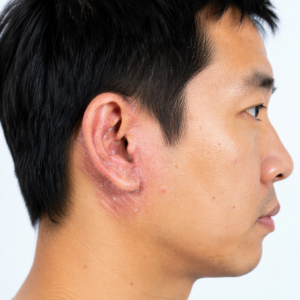

You wake up one morning and notice that one ear sounds muffled. There is no pain, no obvious infection and perhaps no other symptom at all. It can be tempting to wait and see if your hearing returns on its own.
But when hearing changes suddenly, the absence of pain does not necessarily mean there is nothing to investigate.
Key Takeaways
- A sudden change in hearing in one ear can have several possible causes, including problems in the ear canal, middle ear or inner ear.
- Sudden sensorineural hearing loss can occur without pain and may be accompanied by a blocked or “full” feeling in the ear.
- Timing matters because some causes of sudden hearing loss need prompt medical assessment.
- A hearing test and examination can help determine where the problem is coming from.
- Do not assume that a painless blocked ear is simply earwax without having it checked if the hearing loss happened suddenly.
Why can one ear suddenly become quieter?
Not every sudden hearing change means the same thing. Sometimes sound is physically blocked from reaching the eardrum. Earwax, fluid behind the eardrum or other problems affecting the outer or middle ear can make sounds seem muffled. There is another possibility that is less obvious: a problem involving the inner ear or hearing nerve. This is known as sudden sensorineural hearing loss. It can develop over a relatively short period and may affect one ear.
The tricky part is that these different problems can feel surprisingly similar. You may describe both as having a “blocked ear” or feeling as though you are listening through cotton wool. That is why the sensation alone cannot reliably tell you what is happening.
But if it doesn't hurt, can it really be serious?
Yes. Pain is not required for a significant hearing problem to occur. Some people with sudden sensorineural hearing loss notice little more than a sudden reduction in hearing. Others may also experience ringing in the ear, dizziness or a feeling of fullness.
A common mistake is to wait several days because the ear feels blocked rather than painful. If the hearing loss is genuinely sudden, particularly if it developed over hours or a few days, it is sensible to arrange prompt medical assessment rather than assuming it will resolve.
This does not mean every case is an emergency or that every person will have the same diagnosis. It means the cause should be established before deciding that waiting is appropriate.
How will an ENT doctor check?
The first step is usually to establish where the hearing problem is coming from. So, depending on the situation, assessment may include,
- Examination of the ear canal and eardrum
- A hearing test to measure how much hearing has changed and what type of hearing loss is present
- Questions about when the change started and whether it was genuinely sudden
- Assessment of associated symptoms such as tinnitus or dizziness
- Further investigations when the history or examination suggests they are needed
This distinction matters because treatment depends on the underlying cause. Simply treating a presumed blocked ear without confirming the reason for the hearing loss may delay appropriate assessment.
Should I wait a few days to see if it improves?
If the hearing change was sudden and unexplained, it is better not to rely on waiting alone. You should consider seeking medical assessment promptly, especially if the change occurred over hours or a few days, or if it is accompanied by significant dizziness, new neurological symptoms or other concerning changes.
An ENT assessment can help determine whether the hearing loss is due to a readily identifiable ear problem or requires further evaluation.
Frequently Asked Questions
Can earwax cause sudden hearing loss in one ear?
Yes, impacted earwax can reduce hearing and may make an ear feel blocked. However, if the hearing loss appeared suddenly, it should not automatically be assumed to be wax without an examination.
Can sudden hearing loss happen without tinnitus?
Yes. Tinnitus can occur alongside sudden sensorineural hearing loss, but not everyone experiences it.
If my hearing comes back, do I still need to see a doctor?
A sudden unexplained change that improves should still be discussed with a doctor, particularly if it was substantial or lasted for a meaningful period. The cause may not be obvious from symptoms alone.
Can stress or lack of sleep cause sudden hearing loss?
Stress and poor sleep can affect how some people perceive or cope with tinnitus and other symptoms, but they should not automatically be assumed to explain a sudden loss of hearing in one ear. A new hearing change deserves appropriate assessment.
What if my ear only feels blocked?
A blocked sensation can occur with earwax or middle-ear problems, but it can also accompany inner-ear hearing loss. If the change in hearing was sudden, having your hearing checked is preferable to relying on the sensation alone.
Schedule a consultation and get your hearing checked
A sudden drop in hearing in one ear is worth taking seriously even when there is no pain. The important question is not simply whether the ear hurts, but what has caused the change and how quickly it developed.
If you have noticed a sudden unexplained reduction in hearing, at Aurion ENT & Hearing centre, Dr. Liu Jiaying can assess the symptoms and determine whether further ENT or hearing evaluation is appropriate. Early assessment can help clarify the cause and guide the next step based on your individual situation.