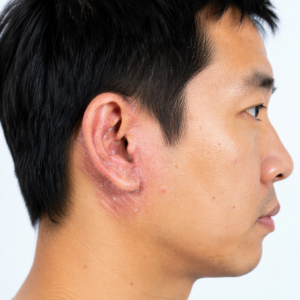
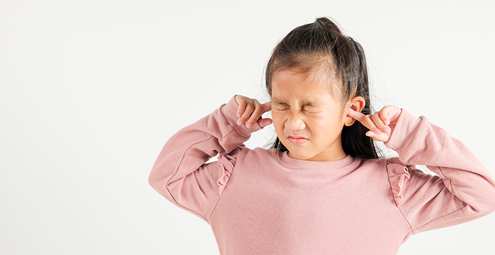
Children often experience ear infections, especially during their early years. While many recover with appropriate care, recurrent ear infections in children can sometimes affect hearing, which may also influence speech and language development if left untreated. Understanding the signs and knowing when to seek medical attention can help support your child’s healthy development.
Key Takeaways
- Recurrent ear infections in children may temporarily reduce hearing, making it harder for children to develop speech and language skills.
- Early assessment and appropriate treatment can help reduce the risk of long-term complications.
- Parents should watch for changes in hearing, speech milestones, or repeated ear infections.
- An ENT consultation can help identify the underlying cause and recommend suitable management.
Could Frequent Ear Infections Affect Your Child’s Hearing?
The short answer is yes, they can. Many ear infections cause inflammation and fluid build-up behind the eardrum, known as middle ear effusion. This fluid can temporarily reduce how well sound travels through the ear.
Most children regain normal hearing once the infection and fluid resolve. However, when recurrent ear infections in children occur repeatedly or fluid remains for an extended period, hearing may be affected for longer than expected.
This is especially important during the first few years of life, when children are learning to recognise sounds, understand language, and develop speech.
What Counts as Recurrent Ear Infections in Children?
A child may be considered to have recurrent ear infections if they experience,
- Three or more ear infections within six months.
- Four or more ear infections within one year.
- Persistent fluid behind the eardrum even after an infection has improved.
- Repeated episodes requiring medical assessment or treatment.
If these patterns occur, an ENT assessment may be recommended to determine whether further evaluation is needed.
How Can Hearing Changes Affect Speech Development?
Young children learn to speak by listening to the people around them. If hearing is reduced because of ongoing ear infections, they may not hear speech sounds clearly.
Some possible effects include,
- Delayed speech development.
- Difficulty pronouncing certain words or sounds.
- Limited vocabulary compared to children of the same age.
- Challenges following conversations or instructions.
- Reduced attention in noisy environments such as classrooms.
Not every child with recurrent ear infections will develop speech difficulties, but monitoring their progress is important.
What Signs Should Parents Look Out For?
Besides ear pain or fever, children with repeated ear infections may also show signs such as,
- Frequently asking others to repeat themselves.
- Turning up the television volume.
- Not responding consistently when called.
- Speaking less clearly than expected for their age.
- Delayed language milestones.
- Complaints of blocked or muffled hearing.
- Pulling or rubbing their ears repeatedly.
If you notice these symptoms alongside repeated infections, it is advisable to seek medical evaluation.
How Are Recurrent Ear Infections Managed?
Treatment depends on your child’s symptoms, age, and the underlying cause. Management may include,
- Monitoring mild infections that are expected to improve naturally.
- Medications when clinically appropriate.
- Hearing assessment if hearing concerns are present.
- Investigating contributing factors such as enlarged adenoids or allergies.
- Considering ear tube (grommet) insertion for selected children when medically indicated.
An ENT doctor will recommend a management plan based on your child’s individual condition.
Can Recurrent Ear Infections Be Prevented?
Although not every ear infection can be avoided, parents can help reduce the risk by,
- Encouraging regular handwashing.
- Keeping childhood vaccinations up to date.
- Avoiding exposure to cigarette smoke.
- Managing allergies if advised by a healthcare professional.
- Seeking medical review when ear infections become frequent.
Early attention may help reduce repeated infections and minimise their impact on hearing.
Frequently Asked Questions
Can recurrent ear infections cause permanent hearing loss?
Most hearing changes caused by ear infections are temporary. However, repeated infections or prolonged fluid build-up should be assessed to reduce the risk of long-term complications.
At what age are ear infections most common?
Ear infections are most common in children between six months and three years because their immune systems and ear structures are still developing.
When should I bring my child to an ENT clinic?
You should consider an ENT assessment if your child has frequent ear infections, persistent hearing concerns, delayed speech development, or ongoing ear discomfort.
Can treating ear infections improve speech development?
If hearing has been affected by ear infections, addressing the underlying problem may support clearer hearing, which is important for normal speech and language development. Every child’s progress may vary.
Help Your Child Hear and Communicate with Confidence
If your child is experiencing recurrent ear infections in children, persistent hearing concerns, or delayed speech development, an early assessment may help identify the underlying cause and guide appropriate management.
At Aurion ENT Clinic, Dr Liu Jiaying provides comprehensive assessment and treatment for a wide range of ear conditions in children and adults. If you are concerned about your child’s hearing or speech development, schedule a consultation to discuss your concerns and explore suitable care options.