Here’s What Every Parent Should Know About Childhood Hearing Loss
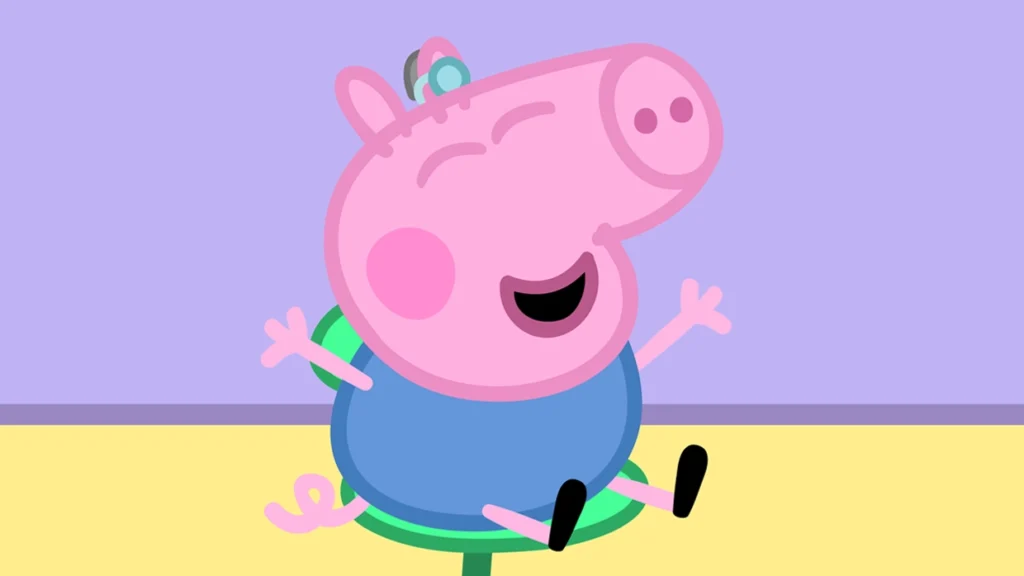
When George Pig appeared wearing a hearing aid in an Peppa Pig episode, many parents around the world paused for a moment.
For children, it was simply another story about George.
For parents, it was something else entirely.
It was the realisation that hearing loss in children isn’t always obvious. Sometimes, the little things we brush off, taking longer to speak, seeming distracted, asking “What?” a little too often, can all have an explanation.
In George’s story, his family learns that he has moderate hearing loss in one ear. Looking back, many of his behaviours suddenly make sense. With the help of an audiologist, George receives a hearing aid, and his family also learns new ways to support him. Importantly, the story also shows that hearing aids can help children hear more of the world around them, while recognising that they do not restore normal hearing completely.
Although George Pig is a fictional character, his story reflects experiences that many real families may encounter.
Many parents assume that if their baby passed the newborn hearing screening, hearing will never become an issue.
In reality, some children develop hearing loss later in childhood. This is known as acquired hearing loss.
Because it often develops gradually, parents may not notice changes immediately, particularly when hearing loss is mild or affects only one ear.
One of the reasons George’s story resonates with so many families is because the signs weren’t dramatic.
Instead, they were everyday moments.
Children with hearing difficulties may appear to:
These behaviours are not unique to hearing loss and can have many different causes. However, if they occur consistently, they may be worth discussing with a doctor.
Sometimes, children aren’t ignoring us.
They’re simply finding it difficult to hear everything that’s being said.
Every child is different, but some common signs include:
These signs do not necessarily mean a child has hearing loss, but they may indicate that a hearing assessment would be helpful.
George’s hearing loss affects only one ear.
This is known as unilateral hearing loss.
Because one ear hears well, many children continue to communicate effectively in quiet settings. As a result, parents, teachers and even the children themselves may not immediately recognise that anything is wrong.
However, they may still find it difficult to:
As children grow older and spend more time in busy classrooms and social settings, these challenges may become more noticeable.
Many parents assume that if their baby passed the newborn hearing screening, hearing will never become an issue.
Many children with hearing loss cope well during quiet, one-to-one conversations.
The challenges often become more apparent when there is background noise, multiple people talking or greater listening demands, situations that are common at school, childcare or social gatherings.
This is one reason why hearing loss affecting only one ear can sometimes go unnoticed for some time.
The first step is to have your child’s hearing assessed.
An ENT specialist may recommend:
examining the ears
age-appropriate hearing tests
further investigations where necessary.
Some causes of hearing loss, such as ear wax or glue ear, may be treatable. Other children may benefit from hearing rehabilitation or hearing devices, depending on the cause and severity of hearing loss.
There are several hearing technologies available today.
Depending on the child’s hearing loss and individual needs, these may include:
The most appropriate option varies from child to child and is recommended only after a comprehensive assessment.
Perhaps the most meaningful part of George’s story isn’t the hearing aid itself.
It’s that his family noticed something wasn’t quite right.
And together, they learned how to support him.
Many parents experience a similar journey. Sometimes an assessment is reassuring. Sometimes it identifies hearing loss or another ear condition that may explain what a child has been experiencing. Either way, having answers can help families make informed decisions about the next steps.
Can a child develop hearing loss after passing the newborn hearing screening?
Yes. Some children are born with normal hearing but develop hearing loss later in childhood. If you notice changes in your child’s hearing or communication, an assessment can help determine the cause.
What are the early signs of hearing loss in children?
Children may ask for repetition, struggle in noisy places, increase the television volume, have delayed speech or appear inattentive. These signs can have many possible causes, but persistent concerns should be assessed.
Does hearing loss in one ear affect learning?
Some children with unilateral hearing loss may find it more difficult to hear in noisy environments or identify where sounds are coming from. The impact varies between children.
Does every child with hearing loss need a hearing aid?
No. Management depends on the type, cause and severity of hearing loss. Some children may require medical treatment, while others may benefit from hearing aids or other hearing technologies.
When should I bring my child to an ENT specialist?
Consider seeking medical advice if your child has persistent hearing concerns, delayed speech, recurrent ear infections or difficulty hearing in everyday situations.
If you’ve noticed changes in your child’s hearing, speech development or listening behaviour, an ENT assessment can help determine whether hearing loss or another ear condition may be contributing.
Dr Liu Jiaying assesses children with a range of ear and hearing conditions, including hearing loss, recurrent ear infections and unilateral hearing loss. Following a comprehensive assessment, she will discuss the findings and recommend management options that are appropriate for your child’s individual needs.