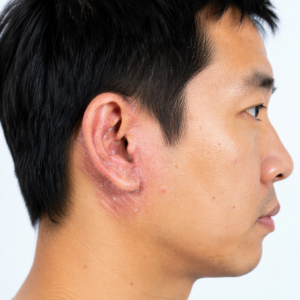

A swelling near the cheek, under the jaw or beneath the tongue can be surprisingly easy to ignore. It may become more noticeable around mealtimes and then settle again, or it may simply feel like a small lump that appeared without much warning. Sometimes, salivary gland swelling does go away on its own. But that does not mean every swelling should be left alone.
Key Takeaways
- A salivary gland can swell temporarily because of inflammation, infection or a blockage affecting saliva flow.
- Swelling that repeatedly returns, persists or is not clearly explained should be assessed.
- Pain or swelling that becomes more noticeable when eating can sometimes point towards a problem with saliva drainage.
- Treatment depends on the underlying cause, so there is no single salivary gland swelling treatment that suits everyone.
- A specialist assessment can help determine whether observation is reasonable or whether further investigation is needed.
Why does a salivary gland swell in the first place?
We have several major salivary glands that produce saliva, the parotid glands in front of the ears, the submandibular glands beneath the jaw, and the sublingual glands beneath the tongue. Swelling can happen when saliva cannot flow normally, when the gland becomes inflamed or infected, or when another condition affects the gland.
If the swelling becomes more obvious when eating and then gradually reduces, it may suggest that saliva is being produced but is having difficulty passing through the drainage pathway. A salivary stone is one possible cause. On the other hand, swelling accompanied by tenderness, fever or feeling generally unwell may need more prompt medical attention.
Can you simply wait for it to disappear?
Sometimes, yes but context matters. A short-lived swelling associated with a minor inflammatory problem may settle as the underlying issue improves.
However, repeatedly waiting for a lump to disappear can be misleading if there is an ongoing blockage or another cause that has not been identified.
Sometimes, yes but context matters. A short-lived swelling associated with a minor inflammatory problem may settle as the underlying issue improves. However, repeatedly waiting for a lump to disappear can be misleading if there is an ongoing blockage or another cause that has not been identified.
You have to pay attention to what happens over time,
- Does the swelling completely disappear?
- Does it return to the same place?
- Is it linked to meals?
- Is it becoming larger or more uncomfortable?
- Is there a lump that remains even when the swelling seems to have settled?
These details can help your doctor work out what may be happening.
When should a salivary gland swelling be checked?
You should consider arranging a medical assessment if the swelling,
- Does not settle or keeps coming back
- Is gradually becoming larger
- Is associated with persistent pain or tenderness
- Appears repeatedly around mealtimes
- Is accompanied by difficulty opening the mouth or swallowing
- Is associated with fever or other signs of infection
- Feels like a persistent lump rather than temporary swelling
A persistent or unexplained swelling should not automatically be assumed to be a blocked salivary gland. Different conditions can produce similar symptoms, which is why examination matters.
What happens during an assessment?
A doctor may examine the location, size and character of the swelling and check the mouth and the openings of the salivary ducts. Depending on the findings, further assessment or imaging may be considered. The aim is not simply to confirm that a salivary gland is swollen, but to understand what is causing the swelling and whether the gland’s saliva drainage is affected.
This is also why salivary gland swelling treatment varies. Some people may only need monitoring and supportive care, while others may require treatment directed at an infection, blockage or another underlying condition.
Frequently Asked Questions
Is salivary gland swelling always painful?
No. A salivary gland problem can cause pain and tenderness, but swelling may sometimes occur without significant pain. The absence of pain does not by itself explain the cause.
Why does my swelling get worse when I eat?
Eating stimulates saliva production. If saliva has difficulty passing through a narrowed or blocked duct, the gland may become more swollen or uncomfortable during meals.
Can a salivary gland stone disappear by itself?
Small stones or blockages may sometimes pass without a procedure, but this is not guaranteed. Recurrent or persistent symptoms should be assessed to determine whether a blockage remains.
Should I see a doctor if the swelling keeps coming back?
Yes. Recurrent swelling, particularly in the same area or around meals, is worth discussing with a doctor. Repeated episodes may indicate an underlying problem with saliva flow.
Is treatment always necessary for salivary gland swelling?
Not necessarily. Management depends on the cause, severity and individual findings. Some cases may be monitored, while others may require specific treatment or further investigation.
Schedule a consultation to get a professional opinion
A swelling that disappears quickly may not always indicate a serious problem, but persistence and recurrence change the picture. Rather than trying to determine the cause from the swelling alone, an assessment can help clarify what is happening and whether anything needs to be addressed.
If you have a persistent or recurring salivary gland swelling in Singapore, you can consult Dr. Liu Jiaying at Aurion ENT & Hearing Centre for an assessment of your symptoms and discussion of appropriate next steps.